
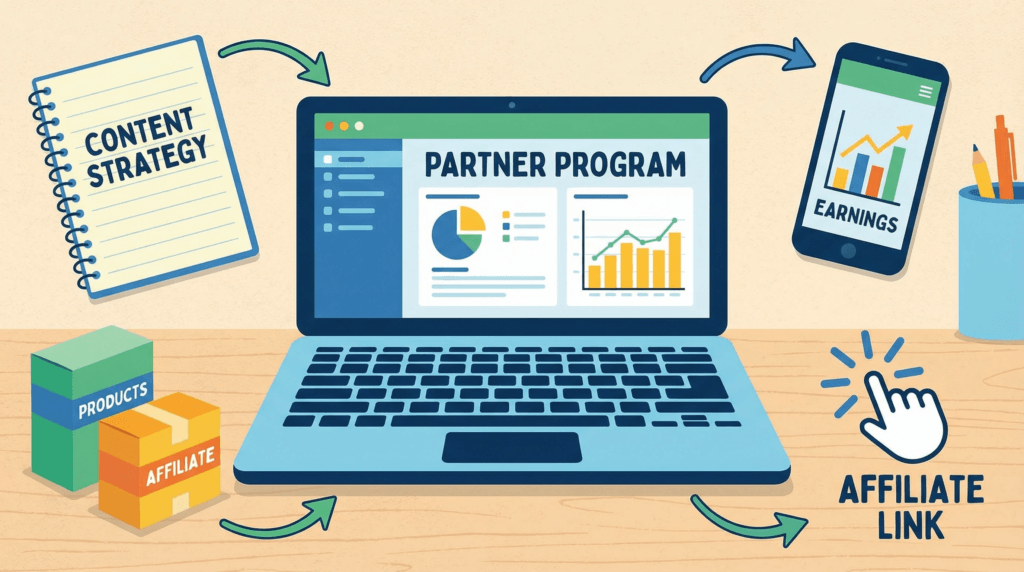
Affiliate marketing gives anyone with an internet connection a real way to earn money online. I know it can seem overwhelming at first, especially if you’re totally new. When I started, I grappled with questions like “Is this legit?” and “How do I even begin?” Now, after going through the basics and making my first commissions, I want to help you understand how affiliate marketing works, the steps to get started, and how you can avoid common mistakes.
Throughout this guide, I will share the most important points for beginners based on what I’ve learned and what works in today’s digital world. By the end, you’ll understand the main moving parts, without feeling lost.
Affiliate marketing rewards you for connecting others to useful products or services. When people buy through your unique affiliate link, you earn a commission. This guide covers each step, from picking your first niche to seeing those first sales and scaling up for long-term results.
Step 1: Understand the Basics of Affiliate Marketing
Affiliate marketing is when you promote someone else’s product or service and earn a commission if a sale happens through your link. It’s a win-win; companies get more customers, and you earn a percentage without creating your own product. It removes a lot of the risk and responsibility you’d face building your own offer from scratch.
Core Affiliate Marketing Concepts:
- Merchant (Advertiser): The company that creates and sells the product.
- Affiliate (That’s you): You share a special link and recommend products.
- Customer: The person who clicks your link and makes a purchase.
- Affiliate Network: A platform that connects affiliates with merchants (optional, but common for beginners).
I found that understanding these basics made the whole process seem much less mysterious. It made it a lot easier to spot good opportunities and avoid offers that looked sketchy.
Step 2: Choose a Niche You Actually Enjoy
If you want to stick with affiliate marketing, picking a niche that interests you is important. A niche is just a focused segment of a market that interests you, like cooking for beginners, smart home tech, or pet care for dogs. When I picked a topic I enjoyed, creating content and staying motivated felt much easier.
Questions to Help You Choose Your Niche:
- What do I enjoy learning about in my free time?
- Do people spend money in this area regularly?
- Can I see myself writing, talking, or making videos about this subject without getting bored?
- What problems can I help others solve in this niche?
Popular Profitable Niches:
- Health & fitness
- Personal finance
- Hobbies (DIY, photography, gardening)
- Beauty & personal care
- Technology & gadgets
- Travel
If you start with what you like, you’re more likely to stick with it when things move slowly in the beginning. In most cases, niches with higher demand for products and where people are always looking for solutions work really well. Over time, your knowledge and authority in the niche can also grow, making it easier to attract an interested audience.
Step 3: Sign Up for Affiliate Programs

Once you know your niche, you can join affiliate programs that offer products or services you want to recommend. Some companies run their own affiliate programs, while others use affiliate networks like Amazon Associates, ShareASale, or Commission Junction to manage affiliates and track commissions.
How to Find Affiliate Programs:
- Search [Your Niche] + “affiliate program” online (for example, “camping gear affiliate program”).
- Look for the “Affiliates” or “Partners” link in the footer of company websites.
- Join big affiliate networks for a wide variety of products in one place.
When I started, I found most niche brands had affiliate links available; you just have to check their site or ask customer support. Once you sign up, be sure to carefully read their terms and conditions regarding how and where you can share links. Some programs have strict rules on advertising or sales methods, so staying sharp about the guidelines is important to avoid losing commissions.
Step 4: Set Up Your Platform
You need a place where you share your recommendations and affiliate links. Most people start with a blog, YouTube channel, or social media account. I started with a simple blog because it felt manageable and let me write instead of being on camera. Choose one main platform to focus on at first. Consistency matters more than trying to do everything at once.
Popular Platforms for Affiliate Marketing:
- Blog: Great for product reviews, guides, and comparison articles.
- YouTube: Useful for product demos, walkthroughs, and video reviews.
- Instagram/TikTok: Short tips, product features, and personal stories work well here.
I always recommend picking a platform you’re comfortable with. You can add more later as you get the hang of things. Think about where your potential audience spends time online and what format (written, video, photos) you’re most comfortable creating consistently. Over time, branching out can help you reach even more people, but start where you’ll actually stick with it!
Step 5: Create Helpful Content That Solves Real Problems
Affiliate marketing is about helping people find solutions, not just pushing products. I focus on creating content that answers questions or solves a problem. For example, if I’m writing about noisecanceling headphones, I’ll include tips on picking the best pair, explain the terms, and compare the top models based on my own experience. Also, sharing stories about how a product helped you or someone you know connects more with your audience than just rattling off the specs.
Types of Content That Perform Well:
- How-to guides
- Product reviews
- Product comparisons
- Resource lists
- Case studies and personal stories
If you help your readers or viewers genuinely make better decisions, you’ll build trust and see more people use your affiliate links. Additionally, well-made content can keep earning for you months or even years after you post it.
Step 6: Use Your Affiliate Links the Right Way
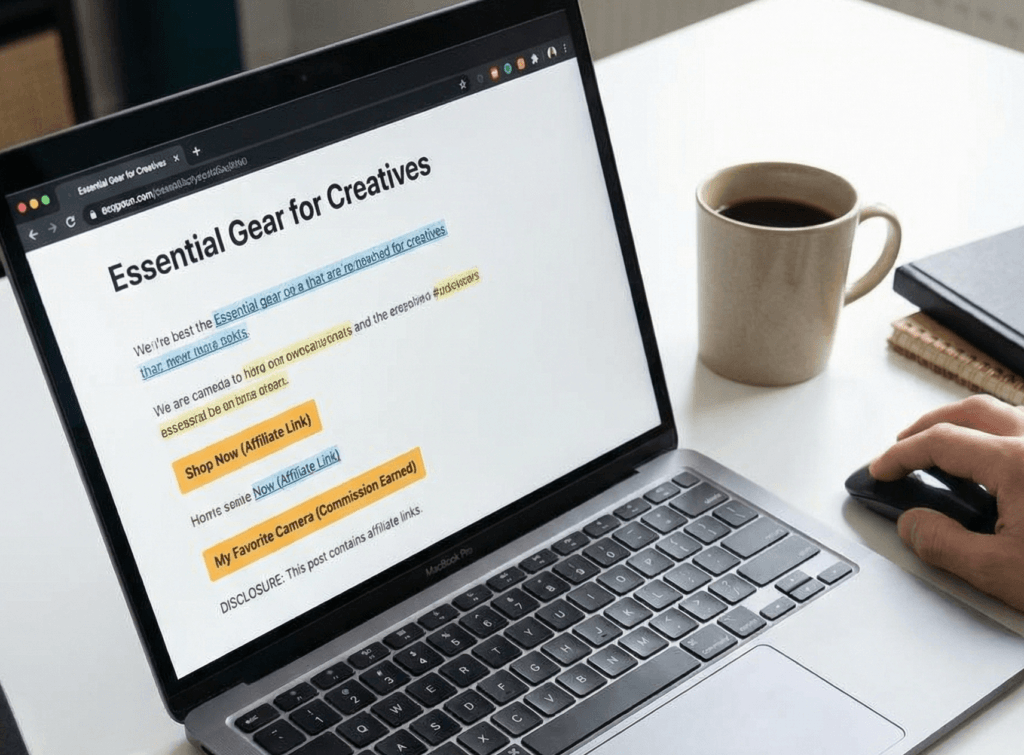
Every affiliate program will give you a special link with a tracking code. You use the link in your content so the company knows who referred the sale. When I add affiliate links, I make sure to use them naturally, usually after providing real information or my honest opinion.
Best Practices for Sharing Links:
- Only recommend products or services you’ve researched or tried yourself.
- Add a disclaimer that you earn a commission (this is required in most countries for transparency).
- Use affiliate links in reviews, tutorials, and resource pages, not just anywhere for the sake of it.
- Don’t spam your audience with links. Focus on value instead.
This approach builds trust, and trust leads to more clicks and sales over time. Including disclaimers shows your audience that you value honesty and builds long-term credibility. Many top affiliates actually recommend products they didn’t like too, to help readers avoid mistakes. That level of transparency builds relationships and steady commissions.
Step 7: Track Performance and Keep Improving
All major affiliate programs provide dashboards where you can see which links are getting clicks and which are earning commissions. When I first saw even a single sale come in, it motivated me to create more content and refine what works. Keep an eye on your stats to find out which pages or posts are your top performers.
Key Things to Monitor:
- Number of clicks on your affiliate links
- Conversion rates (how often clicks turn into sales)
- Bestperforming content and topics
Use this information to double down on what works. If a certain product review did well, make similar guides or get into related subjects. Continually tweaking your content and strategy based on what your stats show helps you see steady growth over time. Even small adjustments—like improving your headlines or adding clearer calls to action—can lead to more clicks and higher earnings.
Common Questions & Troubleshooting
How quickly will I earn commissions?
In my experience, it can take a few weeks or even months to earn your first commission. The key is to keep sharing helpful content consistently and not give up too early. Sometimes, it just takes one piece of content to start your earnings rolling, so don’t get discouraged if things start slow.
Do I need a website?
A website gives you the most control and flexibility, but you can start with YouTube, TikTok, or even Pinterest. I started with a plain old blog and website, but I know others who built large audiences on social media first. Choose whatever fits your personality and resources best.
What if I don’t have many followers or readers?
Every marketer starts with zero followers. Focus on creating genuinely useful content, and use basic SEO tips like targeting beginnerfriendly keywords so your content is more likely to show up in Google or YouTube searches. My earliest traffic came from longtail search queries that bigger sites ignored. Additionally, sharing your content in relevant online communities or groups can help you attract your first visitors and feedback.
Final Thoughts & Your Action Plan
Affiliate marketing isn’t a “get rich quick” path, but it works for everyday people willing to help others make smart choices. With some curiosity and consistency, you can build an honest source of income. My first commissions felt small, but they grew as I refined my approach and kept helping readers find what they needed. The skills you develop along the way—like content writing, audience building, and understanding what makes people click your links—can open up even more opportunities down the road.
Your Next Steps after reading this article guide:
- Pick a niche you enjoy or know about.
- Sign up for two or three affiliate programs that fit your audience.
- Choose a platform such as Wealthy Affiliate to share your recommendations (blog, video, social media).
- Create your first piece of content with real value and include your affiliate link transparently.
- Keep learning—track your progress, improve your content, and stay open to new opportunities as they pop up.
With patience and a service mindset, affiliate marketing can be a rewarding new skill. What’s the first product or topic you want to recommend? Share your plans or questions below! Remember, every big success starts with a single, simple step. Good luck on your affiliate marketing adventure!
After reading thisguide and feel you need more indepth information or hands-on training about affiliate marketing, checkout a program I use toget my thorough training, tools,and website to conduct my affiliate marketing business below.