
Figuring out how to get people to actually click and buy can feel a bit overwhelming. That’s where a well-tuned affiliate marketing funnel comes in really handy. Funnels aren’t just for big companies; they help beginners guide curious website visitors from “just browsing” to actually making a purchase (and scoring you a commission). Tuning up each stage can give your results a real boost. In this guide, you’ll find the basics, some practical steps for improving each funnel stage, and a few real-world tips I’ve picked up in my chosen affiliate program along the way to help you kick things off.
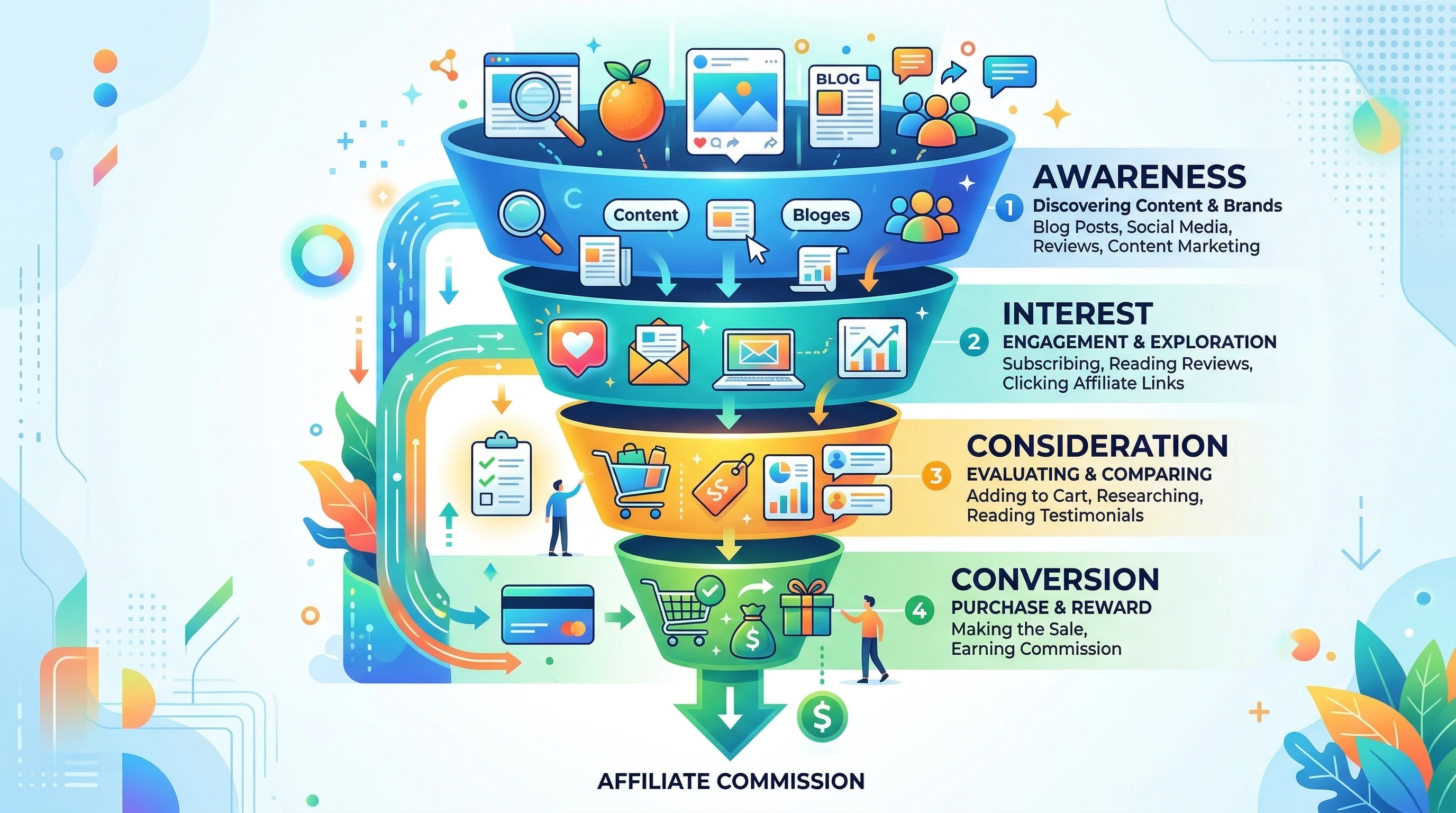
Understanding the Affiliate Marketing Funnel
The affiliate marketing funnel is the step-by-step adventure visitors take from stumbling upon your site to clicking your recommendation link and then actually buying something. Beginners can give their results a boost by breaking the process down and making small improvements at each stage. Let’s get into the details so you can get the hang of what matters most.
The main funnel stages usually look like this:
- Awareness: People find your content (through Google, social media, or email).
- Interest: They start getting involved, maybe reading a review, watching a video, or signing up for your email list.
- Consideration: Visitors are actively comparing options and thinking about a purchase.
- Conversion: They click your affiliate link and buy, which earns you a commission.
Tuning up your funnel isn’t just about complicated tactics. Small, real, practical changes that help people trust your advice and feel confident making buying choices are what really count.
Setting Up Your Funnel for Success
Getting started with making your funnel better means making sure you have some basics locked in first:
- Quality Content: Build blog posts, videos, and guides that answer real questions and solve problems for your audience.
- Clear Calls-to-Action (CTAs): Encourage readers to take the next step, whether that’s reading another article, downloading a guide, or checking out your favorite product.
- Simple Navigation: Make sure your site makes it easy to move from one topic to another, always keeping affiliate offers easy to spot.
When your foundation is solid, you can start tuning up each stage individually for better results.
Optimizing the Awareness Stage
At the top of your funnel, you want the right people to notice your content. These beginner-friendly tips help you grow your audience:
- SEO Basics: Use relevant and simple keywords in your articles, headlines, and product reviews. Tools like Ahrefs Keyword Generator are pretty handy for ideas.
- Social Media Sharing: Share your content on platforms where your target audience hangs out. Pin helpful tips to Pinterest or join Facebook groups that match your niche.
- Guest Posting: Writing for other blogs can bring new eyes to your site and sometimes give you a backlink, which is good for search rankings.
Building awareness is usually a slow-rise process, but steady, helpful content and simple sharing get traffic trickling in. As you get more comfortable, you’ll find what works best for your niche.
Increasing Engagement and Interest
Once visitors land on your site, keeping them interested is very important. People rarely buy on the first visit, so here’s how to nudge them closer to your affiliate offers:
- Use Engaging Headlines: Articles should promise real solutions or inside advice. Headlines that ask a question or offer a unique tip, like “How I Saved Money with…,” work really well.
- Break Up Content: Use short paragraphs, clear subheadings, and visuals like screenshots or product images to keep it readable.
- Email Capture: Give away something simple (like a checklist or cheat sheet) in exchange for an email. Email marketing lets you stay in touch, build trust, remind folks about your best tips, and gently mention your favorite products again later.
Adding a quick summary box with pros and cons or a handy comparison chart makes your content more eye-catching and keeps visitors around longer. People start to trust your advice more when it’s straight to the point and visually clear.
Boosting Consideration with Honest Content
This is the “thinking things over” stage. Readers want honest opinions and proof that someone has actually tried the product. Here’s where your story and straight talk are valuable:
- Write Genuine Reviews: If you’ve put a product to the test, share your experience, especially what caught you off guard or surprised you. People spot fake or overly pushy reviews right away.
- Comparison Posts: Line up two products side by side, listing features, pricing, pros, and cons. This approach helps readers figure out what’s best and lets them stand out as a trusted helper.
- Address Objections: Talk about common concerns (like shipping times, price, or if the results are realistic). When I bring up the downsides as well as the perks, my click numbers go up.
Buyers want info that feels real and useful, not just a repeat of the manufacturer’s sales spiel. Your personal insights make a difference and step up your reputation as a trusted guide.
Optimizing for Conversions
This final step is about making it as easy as possible to click, with no hiccups or confusion:
- Use Bold CTAs: Buttons or obvious affiliate links like “Check Latest Price” or “See the Deal” beat small text links buried in a paragraph.
- Reduce Distractions: Focus the page on your recommendation. Cut out unrelated ads, extra popups, or outside links that might send people elsewhere just when they’re ready to buy.
- Test Placement: Place your CTA in smart spots — near the top, at the end, and maybe once in the middle for longer posts. Changing the placement even a little can bump up your click rates.
I found that A/B testing using tools like Thrive Architect or Google Optimize helped me figure out the best combinations fast. Even simple colored buttons or little emoji arrows made a noticeable difference without being obnoxious.
Extra Funnel Tips for Beginners
Getting started in affiliate marketing can feel overwhelming if the funnel idea seems complex, but these quick tips can take some of the pressure off—especially if you’re just kicking things off:
- Track Your Links: Set up a free tool like Bitly or use your affiliate dashboard to see which links are getting clicks and sales. That way, you can see what’s working and focus on your top complexities.
- Improve Page Speed: Fast-loading webpages keep visitors from bouncing. Use PageSpeed Insights to give your site a once-over and fix slow-loading issues.
- Mobile Optimization: More than half your visitors are probably on their phones, so double-check that everything looks and works great on small screens.
Tweaking these technical details can quietly make your funnel work better without much extra effort. They may not feel glamorous, but they make a real difference in your conversion rates.
Common Funnel Pitfalls (And How to Avoid Them)
- Overloading with Choices: Dumping too many affiliate links on one page only confuses people. Stick to just one or two recommendations per post.
- Poor Disclosure: Always tell folks you might earn a commission; it keeps things honest and legal. A quick note at the top or bottom of each page is all you need.
- Ignoring Analytics: Not checking your website analytics means missing out. Even a free Google Analytics account gives you clues about what content readers love most.
Overloading with Choices
There’s a real temptation to pack every post with affiliate offers, but that usually leads to decision fatigue for readers. Instead, highlight your best pick and explain why it stands out. This keeps things focused and simple, which readers appreciate.
Poor Disclosure
Good disclosure is easy (“I may earn a commission from links at no extra cost to you”). Being upfront keeps people’s trust and meets legal rules — plus, it is just plain fair. Check out the FTC’s guidelines for some clear pointers.
Ignoring Analytics
Relying only on guesswork isn’t the best move. I use analytics tools to double-check which pages or posts get the most love, then crank out more similar content. Tracking what people actually read and click on shapes your entire funnel game plan.
Frequently Asked Questions
Starting out often brings up lots of questions. Here are a few common ones I hear time and again:
How long does it take to see results from funnel tweaks?
Some changes, like adding new CTAs or improving your page speed, can give a boost in days, while bigger improvements (better content or SEO) usually take a few months to really show up.
Can affiliate funnels work without paid ads?
Absolutely; in fact, many beginners do better starting with free strategies like SEO, social sharing, and email marketing before thinking about ads and paid promotion.
Should I recommend a product if I haven’t tried it myself?
It’s always best to share your own honest experience. If you haven’t used something yourself, say so, and rely on trusted user reviews and/or research—but don’t pretend you have. Authenticity goes a long way.
Your Affiliate Funnel Roadmap
Dialing in your affiliate funnel as a beginner is about building value, earning the trust of your readers, and making each step from their first visit to clicking an affiliate link as smooth as possible. Focus on clear, easy-to-understand content and genuine advice, and don’t forget to tinker with your CTAs, page speed, and mobile setup for steady improvements.
Start using these strategies and keep learning from your results, and you’ll notice that the ride from visitor to commission gets smoother and quicker as you put things into practice. Small steps and constant tweaks are the name of the game, so keep at it and enjoy the adventure!
“Here’s a little transparency: Our website contains affiliate links. This means if you click and make a purchase, we may receive a small commission. Don’t worry, there’s no extra cost to you. It’s a simple way you can support our mission to bring you quality content.”