
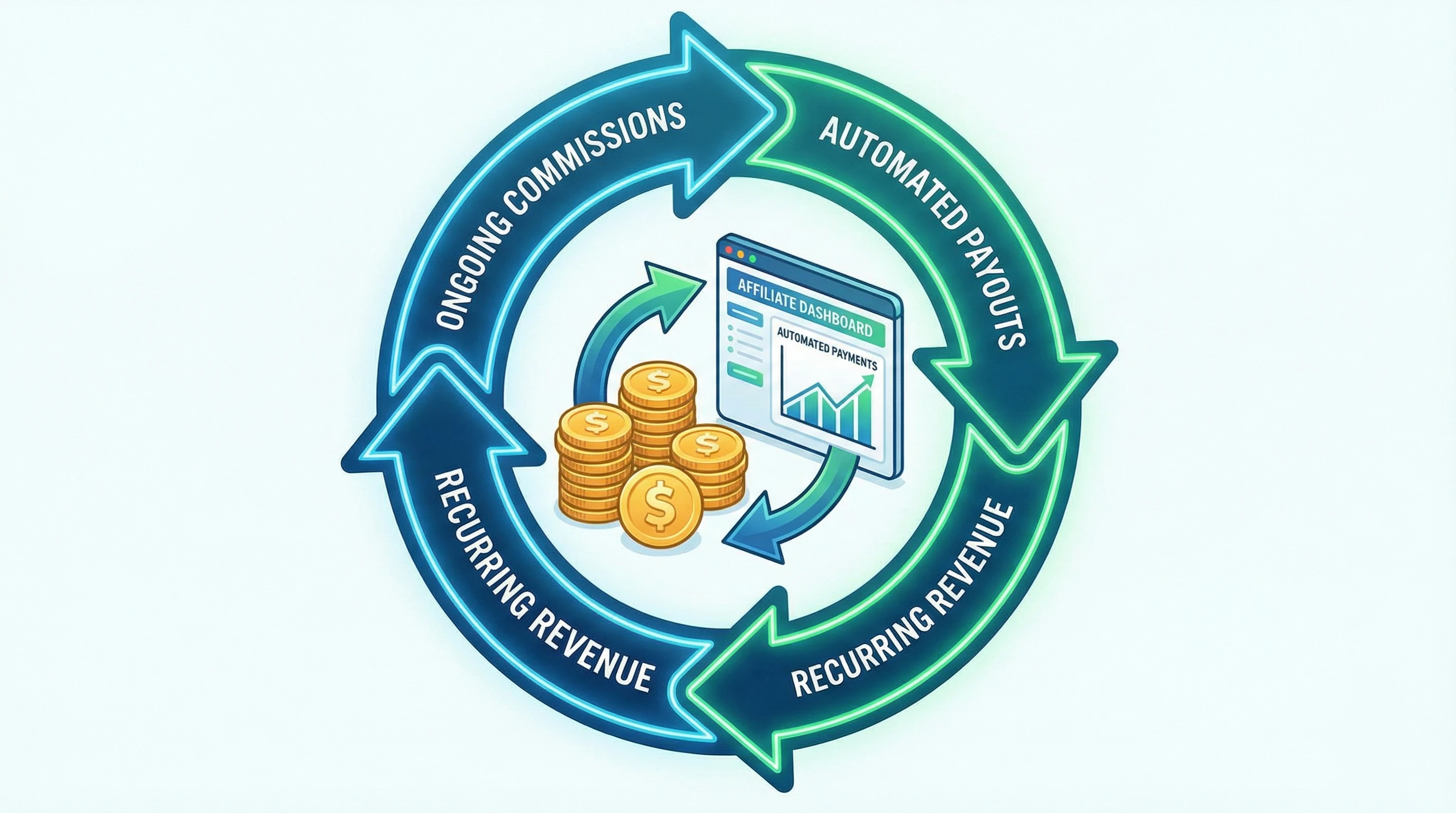
Recurring commissions are a big talking point among affiliate marketers looking for stable, passive income. The idea is simple: instead of getting paid one time for a sale, you can earn a small but steady cut each month (or billing cycle) for as long as the person you referred keeps paying for the product or service. Here’s a closer look at how recurring commissions actually work and why a lot of folks are making them part of their long-term affiliate game plan.
What Are Recurring Commissions in Affiliate Marketing?
When you join most affiliate programs, you’ll find two main ways you can get paid: one time commissions and recurring commissions. In a standard one time commission model, you earn money just once for each person who signs up or buys through your link. With recurring commissions, though, you keep earning as long as your referral remains a paying customer. This can be pretty handy for products or services that charge by the month, quarter, or year.
The most common examples are SaaS (software as a service) tools, membership sites, streaming subscriptions, and online courses. For instance, if someone signs up for an email marketing platform using your referral link and stays active for a year, you’ll see a steady payout every single month based on their subscription renewal. This structure appeals to many affiliates who want to build sustainable income rather than chase single payouts over and over again.
Recurring payout schemes are typically found in markets where services have ongoing value and the customer expects updates, improvements, or continuous support. Whether it’s website hosting, media subscriptions, tools for creative professionals, or educational content, companies know that affiliates who bring in quality subscribers can become vital long-term partners to their growth.
How Recurring Commission Structures Work
There’s a bit of variety in how affiliate programs set up their recurring payouts. Here are some popular ways recurring models are set up:
- Percentage of Subscription: You’ll get a percentage (like 20%) of each renewal payment made by your referral.
- Flat Rate Per Billing Cycle: Some programs pay a fixed dollar amount per renewal, for example, $10 each time your referral renews.
- Tiers or Milestones: A few programs bump up your commission rate after a certain number of active referrals, which can give you a nice income boost over time.
The amount you earn depends on the product price, the commission rate, and how long people stick with the service after signing up. Some programs set a cap (maybe 12 or 24 months), while others keep rolling as long as the referral keeps renewing. Always check the terms; it’s best to track down programs with flexible or unlimited recurring terms because those provide maximum earning potential over time.
Benefits of Recurring Commissions
I personally love recurring commissions because they give me more stability than one time payouts. Here’s why they’re a favorite:
- Steady, Predictable Income: Once you build up a base of referrals, you can count on getting paid every billing cycle, almost like a paycheck.
- Compound Earnings: The more active referrals you get, the more your income snowballs. Your work from months ago can still be paying off today, letting your income grow with compounded efforts.
- Better Long-Term Value: You get rewarded not just for making a sale, but for helping keep customers engaged with a product that fits their needs and solves real problems for them.
If you’ve got the patience to build momentum and focus on quality referrals, the recurring model pays off nicely over time. Many marketers point out that recurring deals create a foundation of income they can rely on, making business planning a lot easier.
Recurring vs. One Time Commissions: What’s Different?
It’s important to know what sets recurring commissions apart from traditional one time deals:
- Work Upfront, Rewards Over Time: One time offers give you all your income right away, while recurring programs reward patience. You earn more gradually, but for much longer, which is a solid tradeoff for those aiming for lasting income.
- Customer Retention Matters: Keeping your referrals happy and subscribed is just as important as getting them to sign up. Some marketers offer bonus training or community support to reduce churn and help affiliates maintain their subscriber base for as long as possible.
- Payout Minimums: Some affiliate programs have monthly payout minimums. With recurring programs, you’re more likely to hit those thresholds consistently after a few months, making income flow more reliable.
Both models have their place, and a lot of seasoned affiliates mix them together to create a diverse income stream. Some marketers even stagger their offers, promoting big-ticket one time offers for bursts of income while nurturing their recurring programs to build stability.
How to Find Programs with Recurring Commissions
Recurring commissions aren’t everywhere, but they are pretty common in these industries:
- Web Hosting and Domains: Many companies like Bluehost and Kinsta offer recurring deals for referred hosting customers.
- SaaS Tools: Project management tools, email marketing platforms, and social media schedulers often pay affiliates per renewal.
- Online Courses and Membership Sites: Platforms like Teachable, Udemy, or Kajabi may pay recurring commissions for ongoing student memberships.
I usually look for this info on an affiliate program’s main information page or FAQ. If it’s not clear, it’s worth reaching out to the affiliate manager for details on payout structure and renewal terms. Engaging with community forums can clue you in on new recurring opportunities as well, since experienced marketers often share their top picks and best finds with peers.
Additionally, many affiliate program directories now offer filtering options, so you can hone in on recurring payout programs specifically. Reading real-world feedback and reviews helps you spot hidden gems and avoid programs with lots of cancellations or difficult tracking policies.
Challenges of Promoting Recurring Commission Offers
Getting started with recurring commissions can be a real payoff, but there are some things I always think through before getting involved:
| Challenges From Recurring Commission | Descriptions of the Challenges |
| Churn Rate | If people don’t stick around, your recurring income dries up. It helps to choose programs with helpful onboarding and high customer satisfaction. |
| Longer Sales Cycles | Subscription products often take more convincing than impulse purchases. Creating in depth content, tutorials, and comparing options can help. |
| Payout Delays | Some programs wait 30 to 60 days before paying out, to handle refunds or cancellations. This isn’t always a problem, but it gives you a heads-up to expect waiting periods in your cash flow planning. |
Note: It’s smart to follow up with your referrals if possible. Confirm their payment status, and don’t forget to check your affiliate dashboard often.
Churn Rate
Products with a high churn rate (meaning customers cancel frequently) lead to smaller and less stable recurring commissions. I look for services that people use for the long haul—things like professional tools or ongoing memberships with clear value. Reading customer reviews or looking at refund rates before promoting is always a good move. Sometimes, long-standing products with well-established reputations retain users longer and produce much more reliable monthly earnings for affiliates.
Sales Process
Recurring offers, in affiliate marketing, usually attract buyers who are taking their time to compare options. I like to build trust by sharing my honest experience with a product and what kind of results someone can expect. Creating review articles, how-to guides, or sharing tips on social media can help people see the value, making it more likely they’ll stick with it and keep your commissions coming in. If a product is complex, consider making comparison charts or producing step-by-step walkthroughs. This lets prospects see true value while showing you as a trusted resource, boosting conversions and longevity.
Pro Tips to Give a Boost to Your Recurring Commission Earnings
There are a few strategies I’ve used (and seen others use) to get more from recurring commission deals:
Focus on Products with High Retention Rates: Choose programs with great support, a loyal customer base, and useful features that keep people subscribed. Customer testimonials and user groups can be helpful signs to watch for. Check out retention statistics if the company publishes them or watch for programs with satisfied long-term members.
Offer Bonus Content: People love extra value. I sometimes include free tutorials, templates, or direct support when someone signs up through my link. This gives a boost to signup rates and helps cut down on cancellations. For example, an onboarding checklist, a private Facebook group, or a special resource pack can make a huge difference.
Stay Up-To-Date: Subscription products update regularly. I make sure my reviews and promo content reflect the latest features so potential signups see the full value. Highlighting recent updates or upcoming features is an effective way to reinforce the ongoing benefit to staying subscribed.
Track Earnings and Monitor Churn: I use spreadsheets or dashboard exports to keep an eye on how each recurring deal is performing. If churn goes up, it’s time to tweak my approach or focus on products with longer retention. Continuously checking performance ensures you maximize your monthly recurring revenue with minimal wasted effort.
The Basics: What to Look For in a Recurring Commission Program
Choosing the right recurring commission program can make a world of difference. Here are some points I always look at:
- Payout Percentage: Higher is usually better, as long as the product’s price and value are solid.
- Cookie Duration: Longer cookie windows give you more time to get credit for your referrals. If you’re promoting products that require research or decision making over multiple sessions, a long cookie is a big advantage.
- Program Reputation: Well-run programs offer timely payments, helpful resources, and clear tracking. A quality reputation is proven by on-time payments, consistent communication, and positive community feedback.
- Tech Tools: Affiliate dashboards should be easy to use, with clear reporting and a prompt support team. A streamlined dashboard can save serious time and keep you from missing any commissions due to tracking errors.
- Transparent Terms: Programs that communicate clearly about payout schedules, timeframes, and cancellation policies are worth picking, since clarity prevents frustration if questions arise later.
Here is an example about the program reputation. Some hosting companies pay 20-30% for as long as the user stays, while some SaaS tools might pay 10-40% depending on the plan. Reading affiliate program reviews or joining affiliate marketing forums can help you spot the options with good long-term potential. Remember to weigh out the pros and cons based on your niche and marketing strengths.
Frequently Asked Questions
Here are some common questions I get about recurring commissions in affiliate marketing:
How soon can I start earning recurring commissions?
Most affiliate programs start tracking recurring sales as soon as your referrals sign up and make their first payment. Depending on the payout schedule (monthly, quarterly), you’ll start seeing commissions on renewals after your referral’s first renewal is processed.
What happens if my referral cancels their subscription?
Your recurring commission will stop as soon as their subscription ends, so it really helps to pick products with a track record of satisfied, long-term users.
Can I mix recurring and one time commission programs?
Absolutely! Many affiliates combine both to keep some cash flowing now while building up recurring payouts for the future. Mixing models provides flexibility and adaptability in a rapidly changing affiliate market.
Getting Started with Recurring Affiliate Commissions
Jumping into recurring commissions means picking programs that fit your niche, audience, and long-term style. Test a few, stick with the ones that provide steady value, and share honest reviews and helpful resources. The more customers you refer and help keep engaged, the more your recurring payout can build up over time. If you enjoy recommending products you believe in and want more predictable earnings, recurring commissions are definitely worth checking out. With some patience and the right game plan, you can build a reliable stream of income that pays you month after month.