
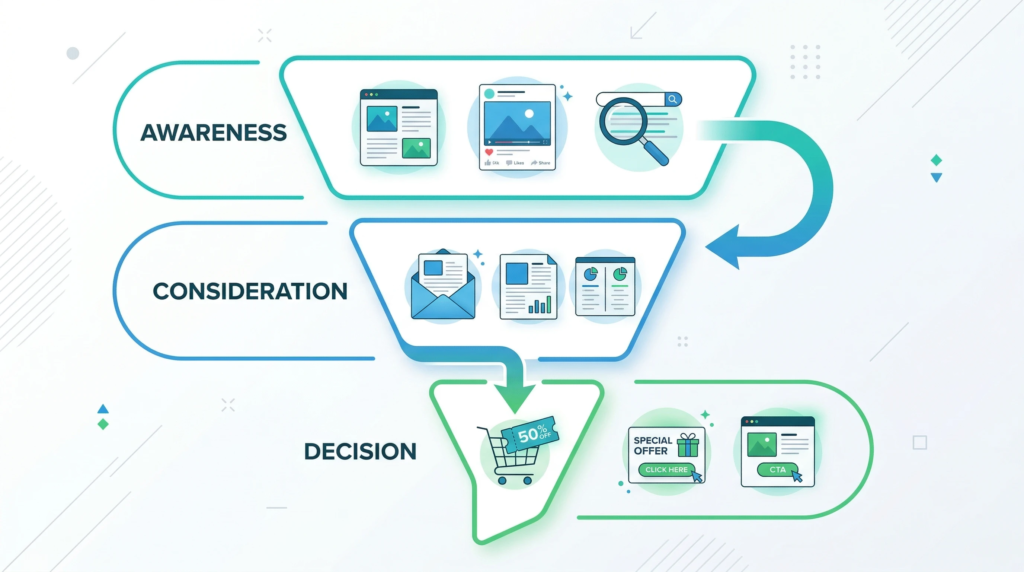
Affiliate marketing funnels aren’t just for big brands. Whether you’re a solo creator, a growing business, or somewhere in between, building a real funnel for your affiliate marketing can help you grab more leads, nurture your audience, and boost those payouts. The whole idea is to guide people step-by-step from stumbling upon your brand to taking action with your affiliate links.
If you’re new to the world of affiliate funnels, you might feel overwhelmed with where to start. Setting up a funnel is less about complicated tech and more about mapping out your buyer’s adventure. Then, make it as simple as possible for them to move forward. Once you have it lined up, you’ll notice your entire approach to affiliate marketing can get way more organized. Results usually follow when you stick to a plan like this.
I’ll break it all down, step-by-step, giving you everything I’ve learned from my own experience building funnels. You’ll learn what a solid affiliate funnel actually looks like, which mistakes to watch out for, and some practical tips to help you start strong—even if you’re brand new to the process.
Step 1: Lay the Foundation for Your Funnel
Before you can create an affiliate marketing funnel, you need a clear idea of your goals and ideal customer. Start by thinking about the audience you want to attract, the type of products you feel confident recommending, and the kind of value you’ll offer at every stage.
Questions to Help You Get Started:
- Who are you trying to reach with your content?
- What problems are they looking to solve?
- Which affiliate products fit their needs and your brand?
- How will you earn their trust before promoting anything?
Knowing your audience makes it way easier to connect and guide them through the funnel without feeling too pushy or salesy.
Step 2: Map Out Your Affiliate Funnel Stages
A typical marketing funnel focuses on three key stages: awareness, consideration, and decision. For affiliate marketing, each stage has its own content and approach.
What Does a Marketing Funnel Look Like?
- Top (Awareness): Attract visitors through blog posts, social media content, or YouTube videos. Teach, entertain, or solve a problem. Don’t hit them with an offer just yet.
- Middle (Consideration): Capture leads, usually with an email opt-in or lead magnet like a checklist or quiz. Now you can start sharing more targeted product information, reviews, or stories.
- Bottom (Decision): This is where you guide them toward taking action. Share a clear affiliate recommendation, offer bonuses, or use comparison content that highlights why your solution is worth their time.
One example: You post a review of a software tool. Readers join your email list to grab a related free resource. In their inbox, you send follow-up tips and, finally, a personalized offer with your affiliate link.
Step 3: Prepare Before Creating Your Funnel Chart
Jumping straight to designing a funnel chart or graphics is tempting, but you’re better off mapping the adventure on paper or a simple note app. Outline what content belongs at each stage, which calls-to-action to use, and how you’ll move leads deeper into the funnel.
Prep Checklist:
- Pick a single product or offer. Don’t overwhelm your visitors with too many choices at once.
- List your main traffic sources (organic search, email, social media, etc.).
- Write down what your audience needs to know before they’re ready to buy.
- Sketch out the follow-up emails, landing pages, and value offers you’ll use for nurturing leads.
Having this written out saves tons of time later when you’re building the actual funnel or using design tools. You can always tweak things later, but it’s smart to start simple and organized.
Step 4: Build Your Funnel (With or Without Paid Tools)
Once your basic roadmap is in place, it’s time to set up your funnel. This usually means creating:
- Landing pages for capturing leads and sharing value.
- Email sequences for following up, nurturing, and converting.
- Content that attracts traffic (SEO posts, YouTube, and so on).
Is There a Free Funnel Builder?
Absolutely. A few solid options can get you running without emptying your wallet:
- Mailchimp lets you create landing pages and basic email automations for free, though some limits apply.
- Systeme.io has a generous free plan covering landing pages, automation, and email communication—all together in one bundle.
- Carrd is great for simple, stylish landing pages that connect to email tools.
You don’t need expensive software when starting out. Focus on building your first funnel using tools you already have or these free options mentioned above. As things grow, you can upgrade down the line.
Step 5: Watch Out for Common Affiliate Funnel Mistakes
Even with helpful tools, some mistakes can slow your progress or leave you frustrated. Here are some I see the most often.
- Pushing products too quickly: People don’t trust instant recommendations from strangers. Lead with value and educate first.
- No clear call to action: If you don’t ask your visitor to take the next step, chances are they won’t do it. Spell it out simply—subscribe, download, or click here.
- Forgetting to follow up: Just because someone grabbed your lead magnet doesn’t mean they’re ready to buy. A good email sequence keeps them connected and builds more trust.
- Too many distractions: Fancy sidebars, unrelated offers, or a bunch of ads can send people away. Keep your funnel focused on one product and one path at a time.
- Ignoring analytics: Not tracking your efforts makes it tough to spot what’s working. Even basic tracking with UTM links or free analytics tools goes a long way.
Step 6: Optimize and Test Your Funnel
Funnels are rarely perfect from the start. Testing out small changes can make a big difference with time. Try switching up headlines, calls to action, or bonuses in your email sequence. See what gets the most clicks or conversions, and keep making little adjustments along the way.
Tools That Make Tweaking Easy:
- Google Analytics for tracking page visits and user journeys.
- Email marketing tools (like MailerLite or ConvertKit) provide open and click stats right in your dashboard.
- Free heatmap tools (like Hotjar’s free plan) show where people are clicking and where they get stuck.
Every small improvement adds up, often making your affiliate funnel a lot more profitable over time. Consistent tweaking really does pay off.
Common Affiliate Funnel Questions
How do I build a funnel for affiliate marketing if I’m a complete beginner?
Start simple. One piece of content that draws in visitors, one landing page to collect emails, and a few follow-up emails that mix education with a genuine affiliate recommendation. Avoid stressing over tech—focus on helping your audience and keeping things crystal clear.
What are classic mistakes new affiliate marketers make with funnels?
- Jumping straight to promotions before earning trust
- Not providing anything valuable for the email signup
- Letting visitors slip away without a clear follow-up plan
Do I need to pay for a funnel builder to get started?
Nope. Free tools like Systeme.io or Mailchimp offer almost all you need as a beginner. Paid tools can give extra features, but they’re only needed once you’re ready to scale up.
What should I think about before creating a funnel chart or a fancy diagram?
Write out each stage and step of your funnel first. Think about your audience’s needs, the content you’ll provide, and where affiliate recommendations fit naturally. Even a quick sketch in your notes gets the job done. When your funnel works, you can always make a cleaner chart for presentations.
How can I keep optimization simple?
- Track a handful of stats: sign-ups, clicks, and sales
- Ask your audience for quick feedback right inside your emails
- Switch up headlines or bonuses one small piece at a time
Next Steps for Building Your First Affiliate Funnel
A working affiliate marketing funnel makes your recommendations easier to follow, helps you gain trust, and usually brings in more commissions. There’s no need to make it complicated to see strong results. Map out the adventure, share helpful content, and set up simple email follow-ups. Keep learning as you grow; things only get easier with every experiment.
Your Quick Start Funnel Plan:
- Map out your funnel on paper—even a basic outline works wonders.
- Pick one free tool and draft your first landing page and follow-up email.
- Share something genuinely useful before pitching a sale.
Which affiliate product are you most excited to add to your first funnel? Drop your ideas or questions below—happy to help you get things sorted!
“Here’s a little transparency: Our website contains affiliate links. This means if you click and make a purchase, we may receive a small commission. Don’t worry, there’s no extra cost to you. It’s a simple way you can support our mission to bring you quality content.”