
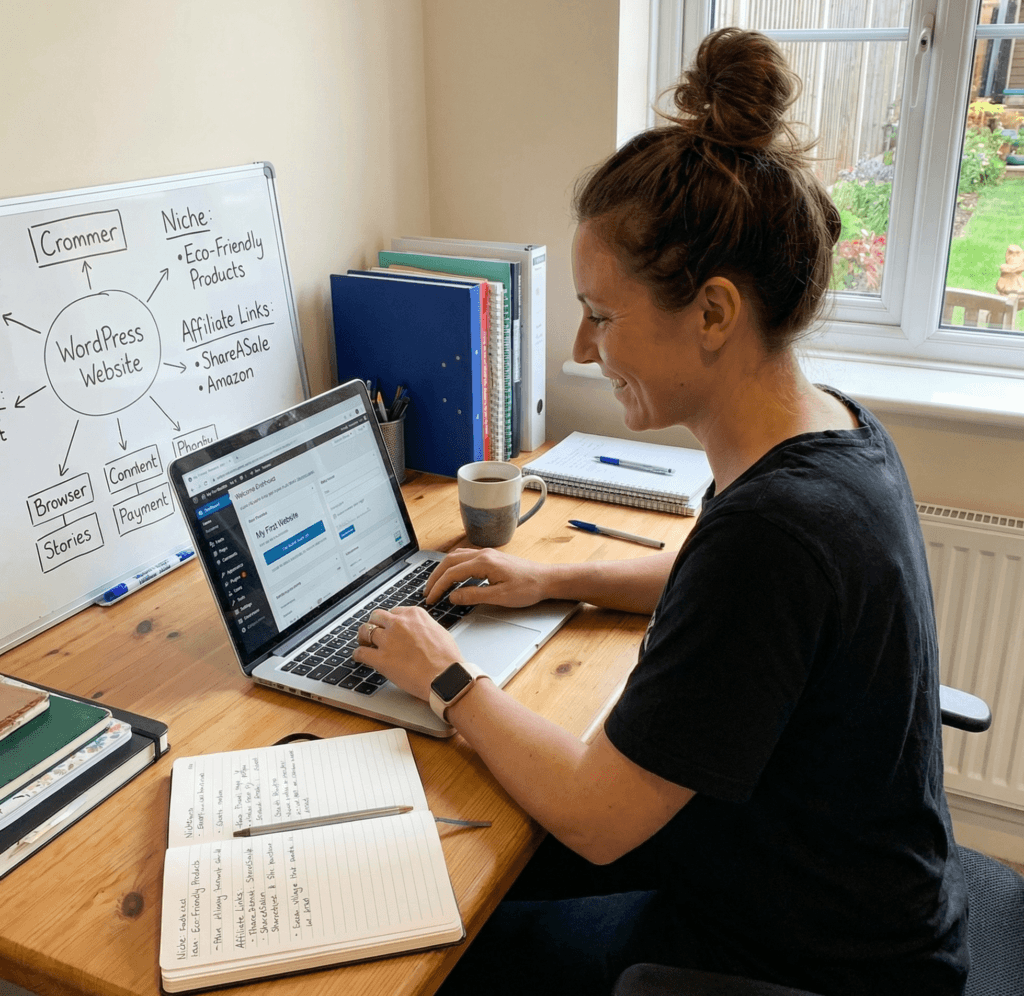
Affiliate marketing is a pretty sweet way to earn money online, but getting started can feel overwhelming if you’ve never built a website before. Setting up your first affiliate marketing website doesn’t have to be scary. I’ve been there, and I know how a clear, step-by-step process can make the whole thing way less stressful.
This guide walks you through everything you need to know to get your site live, from picking a niche to launching your first affiliate content. Every step is broken down to keep things simple, so by the end, you’ll have a website you can be proud of, ready to start earning those commissions.
Step 1: Pick Your Niche
Before you even think about building a website, you’ll want to decide on your focus or interest. Your niche is just the specific topic or industry you want your site to cover. The right niche can seriously affect your success. With affiliate marketing, there’s money to be made in all sorts of topics. Some are easier and more profitable than others.
How to Choose a Niche
- Think about what your interests are or have some experience with
- Look for topics that people search for regularly and have products you can recommend
- Check out potential affiliate programs like Wealthy Affiliate- the top recommended platform for beginners, Amazon Associates, ShareASale, and Commission Junction.
- Pick a niche narrow enough to stand out, but broad enough so you don’t run out of topics
Example of Common Niches
- Sustainable home products
- Pet care for specific breeds
- Budget travel tips
- Wireless headphones reviews
Taking a bit of extra time here pays off, since picking a niche you like makes writing and marketing much easier. If you pick a niche you know and love, your enthusiasm shines through to your readers, making your site more genuine. If you are stuck, check out YouTube or popular blogs for some inspiration, or ask friends what they struggle with. You might stumble upon a fresh idea that isn’t super competitive yet.
Step 2: Grab a Domain Name & Hosting
Your domain is your website’s address, like bestyogamats.com. Website hosting is the service that keeps your site online and available to the world. You can set this all up in less than an hour, even if it’s your first time.
Tips for Picking a Great Domain Name
- Keep it short and simple
- Use keywords related to your topic
- Avoid numbers and dashes
- Go with a .com if possible. People trust .com more than .net,.org,etc.
Recommended Hosting Providers
- SiteGround, well known for support and reliability
- Bluehost, beginnerfriendly, integrates with WordPress easily
- Hostinger, budgetfriendly, decent performance, the top recommended
Most hosting providers let you register your domain at the same time. It’s worth shopping around for deals, since some companies throw in a free domain with your first hosting purchase. And remember, investing in reliable hosting makes sure your website stays up and running, so don’t always just go for the absolute cheapest option. Many new affiliates have success with their first sites simply because their site doesn’t have downtime and loads quickly.
Step 3: Set Up WordPress
WordPress, which I use for my business, is the go-to platform for affiliate sites because it’s easy to use, there are tons of free themes, and you can add a bunch of cool features with plugins.
How to Install WordPress (In Most Cases)
- Log into your hosting account
- Find the ‘Install WordPress’ or ‘1-click installation’ tool
- Follow the prompts (choose your domain, set admin info, etc.)
This is usually super quick and most hosts these days make the process painless. Within a few minutes, your new WordPress site will be live and you can start customizing it for your affiliate goals.
Pick a Theme That Matches Your Niche
- Check out the free WordPress theme directory
- Choose a theme that’s responsive (looks good on mobile and desktop)
- If you want even more flexibility, themes like Astra or GeneratePress are worth checking out
The look of your website helps build trust, so picking something clean and userfriendly is really important. Make sure your theme looks great on both phones and computers, since more and more visitors will come from mobile devices. Play around with a few demos before settling—having confidence in your site’s look makes it easier to promote later on.
Step 4: Essential Plugins and Website Settings
Plugins are little apps that add functionality to your site. For affiliate marketing, you need a few basics to start. As you grow, you can add more plugins to tailor your site, but start simple so you don’t slow your website down or get overwhelmed by options.
Popular WordPress Plugins for Affiliates
- Yoast SEO: Helps you optimize your site for search engines
- WPForms: Makes adding contact forms super easy
- Pretty Links: Shortens and hides long affiliate URLs
- Google Site Kit: Connects your site to Google Analytics and Search Console
You’ll also want to tweak a few basic settings. Change your site title, set your time zone, and make sure your site is visible to search engines. These simple steps make a big difference down the road. Don’t forget to set up your permalinks so your post URLs look clean and readable. Having the right plugins and good settings from day one will give your site a boost as it grows.
Step 5: Write Key Pages
A legitlooking affiliate marketing site should have some standard pages. Not only do these help with trust, but they keep you on the right side of the rules for affiliate networks and Google. These pages show your readers and potential partners that you’re running a real business, not just testing the waters.
Must-Have Pages
- About Page: Share a bit about who you are and why you created the site
- Contact Page: Give visitors an easy way to reach you
- Privacy Policy: Many hosting providers and WordPress include free templates
- Affiliate Disclosure: Be upfront that your links could earn commissions (required by law in many places)
I like to get these up first. It makes everything feel more official and adds trust from day one. Plus, Google expects to see these pages if you want your content to rank, and most affiliate networks will look for them before approving your application. Take a moment to customize the templates and add your own voice so your brand feels unique.
Step 6: Create Your First Affiliate Content
This is the fun part. Publishing your first articles that feature affiliate products is exciting. Start with a few solid pieces that help your readers solve real problems or answer common questions. Choose products and topics that fit closely with your niche so your advice feels natural.
Types of Affiliate Content That Work Well
- Product reviews (focus on pros and cons)
- “Best of” roundups (like “Best Running Shoes for Beginners”)
- How-to guides featuring products
- Comparison posts (“A vs B” style breakdowns)
Be honest in your reviews. Including genuine pros, cons, and your actual experience with products builds trust and gets more clicks on your links. Readers are quick to spot fake or overly hyped content, so always put yourself in their shoes. You can even include photos or screenshots for extra credibility.
Adding Affiliate Links
- Sign up for affiliate programs (Amazon, ShareASale, or those related to your niche)
- Get your unique affiliate link for each product you want to promote
- Use Pretty Links or your theme’s settings to add and manage links easily
Don’t overdo it with links. Focus on the value you’re giving your readers first. Make sure every affiliate link actually helps your audience and is relevant to the content.
Step 7: Basic SEO and Traffic Tips
Even the best website needs visitors. A couple of basic search engine optimization steps go a long way early on. If you want people to find your site, you need to build the right habits early and keep tweaking as you go.
SEO Tips for New Affiliate Sites
- Use keywords naturally in your headlines and content (just don’t overstuff them)
- Add images with descriptive file names and alt text
- Internally link between your posts to help people find their way around
- Share your posts on social media, relevant forums, or Reddit threads
It can take time to see traffic, especially from Google. These early habits build a strong foundation. Consider writing guest posts or joining groups in your niche to set up connections—every little bit helps your site get noticed.
Common Questions & Quick Fixes
What if I mess something up in WordPress?
No worries. Most changes can be undone, and there are loads of help articles and YouTube tutorials out there. Back up your site after you get things set up so you don’t lose everything by accident. If you hit a roadblock, look for help forums or ask the WordPress community for guidance—they’re usually happy to give tips.
Is it too late to start affiliate marketing?
Definitely not! People are earning with affiliate sites every year, and new niches keep popping up. The key is providing real value and building trust with your audience. If you focus on solving real problems rather than just chasing trends, you’re always in the game.
How many articles should I start with?
Launching with 3-5 solid pieces is a good number. Quality beats quantity early on. Plan your first batch of articles using an outline and update old posts as you learn what works best.
Next Steps for Growing Your Affiliate Site
Now that your site is live, it’s all about growing traffic and building your content library. Focus on helping your audience, keep refining your SEO skills, and always be on the lookout for new affiliate programs related to your niche. Consistency is huge—the more you publish and learn from your readers, the better your results over time. Keep learning from blogs, podcasts, and communities to speed up your progress. Try out different content ideas, stay authentic, and measure what works best for your readers.
Your Launch Checklist Review:
- Pick your niche and register a catchy domain
- Set up hosting and install WordPress
- Write key pages that build trust
- Publish a few articles with smart affiliate links
- Promote, tweak, and keep learning as you go
Building your first affiliate marketing website isn’t about hitting it big overnight. It’s about learning, staying consistent, and genuinely helping your audience. Have fun with it, and don’t be afraid to experiment as you grow. Set goals for yourself, and revisit your progress every month to see which posts or affiliate programs are getting the best results. Over time, your website could become a reliable source of income and even open new opportunities for you online.